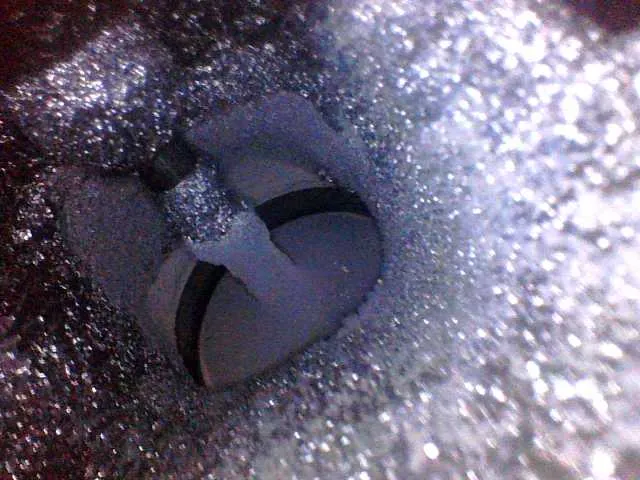
This image shows a mix of carbon and oil deposits on the valve
stem.
On turbocharged direct‑injection engines a light oil film is common because the PCV
system routes crankcase vapors back into the intake. However, carbon buildup
combined with oil residue will accelerate valve deposits over time. Chemical
intake/valve cleaning is recommended to remove the deposits now and prevent more
severe buildup that can affect performance and drivability.
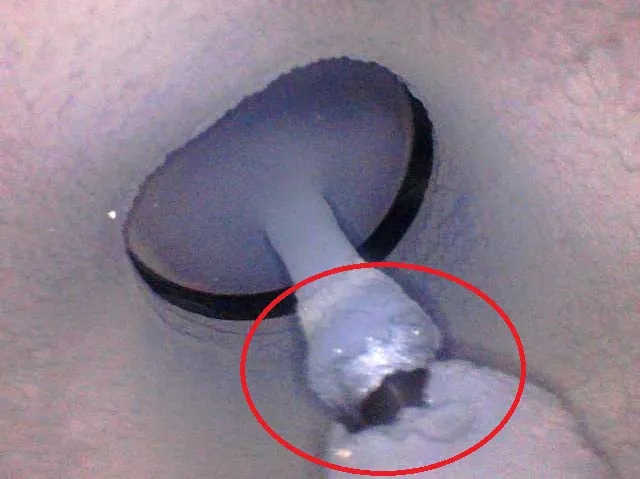
Intake valve carbon and oil deposits — turbo engine This image
shows carbon buildup on the valve stem with only minimal oil present. It’s from a
similar turbocharged direct‑injection engine at ~65,000 miles, where the PCV system
is functioning normally. In this case the deposits are primarily dry carbon rather
than heavy oil.
Left unchecked, carbon will grow. Small deposits can harden and
attract more buildup, eventually affecting valve seating and performance.
Chemical
valve cleaning recommended to prevent heavier buildup and protect engine
performance.
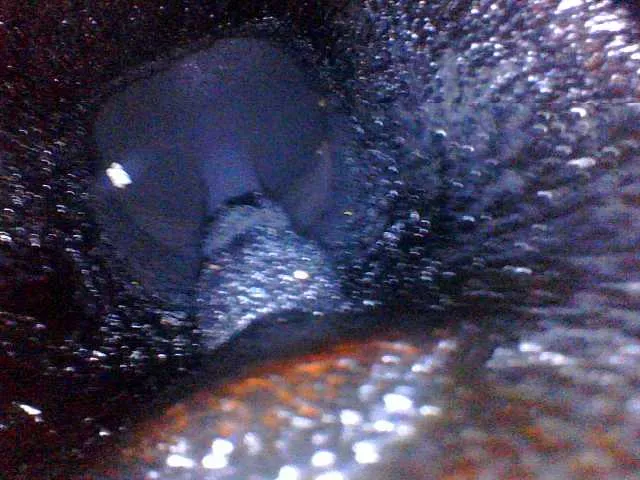
Intake oil and carbon buildup — turbo engine This image shows mostly oil deposits with some carbon buildup on the intake/valve area. While a light, dry film from PCV‑routed crankcase vapors is common on turbocharged direct‑injection engines, wet or heavy oil deposits at only 60,000 miles are borderline and warrant inspection of the PCV system and related components.
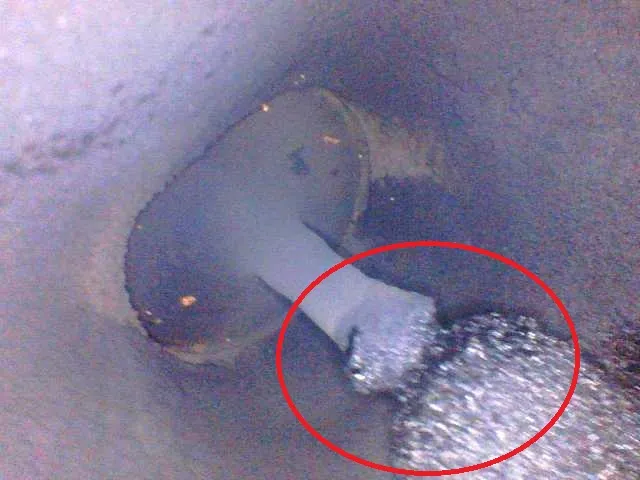
Intake valve carbon fragment risk
This image shows heavy carbon buildup on the valve stem with visible fragments
breaking away from the deposit. When carbon flakes detach they can be ingested into
the combustion chamber or lodge between valve and seat, where they can wedge, score,
or accelerate wear on valves, valve seats, piston rings, and cylinder walls.
Chemical
valve cleaning is recommended now to dissolve deposits, remove loose fragments, and
prevent further engine damage.
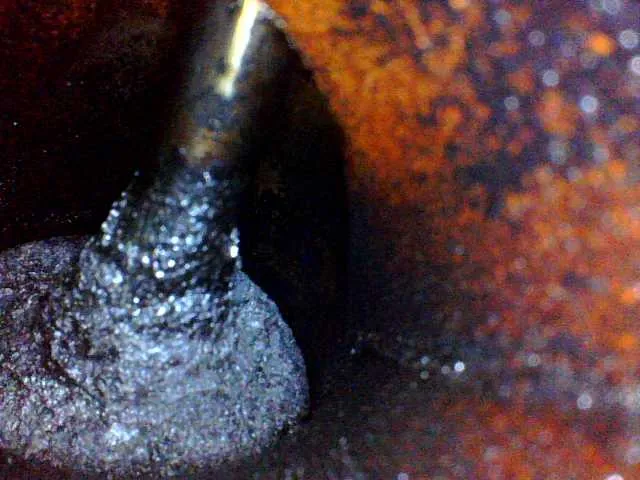
Severe Carbon Buildup
In this image we see heavy carbon accumulation on the intake valves. The vehicle is
already showing performance issues, including intermittent misfire counts. The level
of buildup present here will not respond to chemical cleaning.
This engine will require mechanical carbon removal.
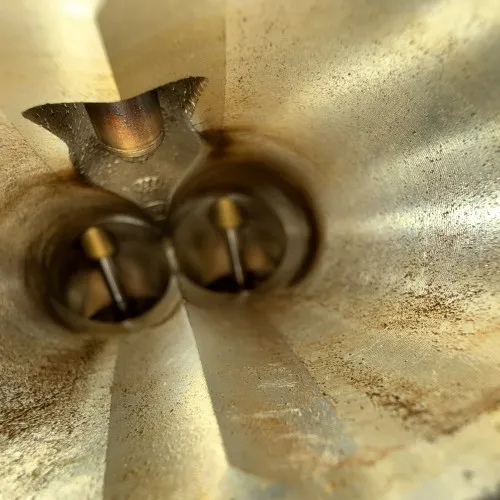
Exceptionally Clean Intake Valves – Port Injection Engine
This is a non–direct‑injection BMW inline‑six with approximately 130K miles. The
image shows virtually no carbon buildup, which is remarkable for this mileage.
Port‑injected engines benefit from fuel washing over the intake valves, and using a
high‑quality fuel system cleaner at regular intervals helps maintain this level of
cleanliness. This valve train condition is a textbook example of how proper
maintenance and detergent‑rich additives prevent deposit formation and keep engine
performance stable over time.